Cliffs of Moher
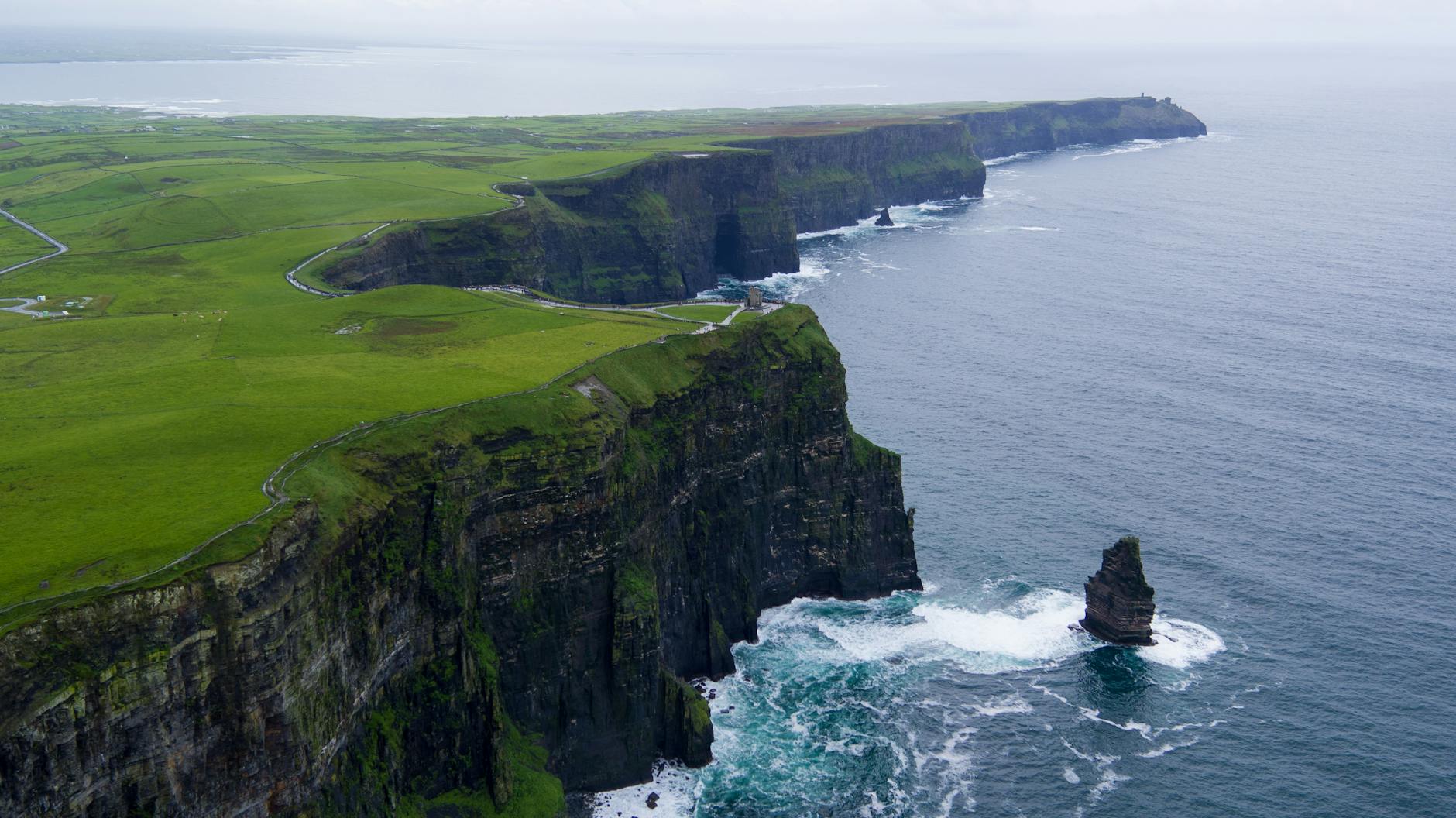
Ireland's most visited natural attraction delivers exactly what it promises: 14 kilometres of sheer rock dropping 200 metres into the Atlantic Ocean. The scale is immense, but the experience is entirely dependent on the weather. On a clear day, you can see the Aran Islands and the Dingle Peninsula. In low cloud or heavy fog, you will stare into a wall of grey mist alongside thousands of other tourists.
The Verdict
Why Go
The Cliffs of Moher are Ireland's most visited natural attraction — 14km of sheer cliff dropping 200m to the Atlantic. They're crowded, and they're worth it. The skill is timing: go early or late to miss the peak, and go on a clear day — in low cloud you see a wall of grey.
At a Glance
What to Know
There's a visitor centre with paid parking. The coastal walk from Doolin or Liscannor is the better approach if you want to avoid the main viewing platforms. O'Brien's Tower is a 19th-century addition, not ancient.
What's Worth Doing
Walk the paved pathways from the visitor centre to the main viewing platforms for the classic vantage points. Head north toward O'Brien's Tower for elevated views, or south toward Hag's Head to see the cliffs stretch out. Be aware that sections of the wider coastal trail connecting to Doolin and Liscannor frequently close due to severe safety concerns and erosion. Check current trail access before attempting any long hikes outside the main visitor area.
Understand the Place
The main visitor centre acts as the primary funnel for the millions of people who come here annually. It features paid parking, a large exhibition space built into the hillside, and paved, accessible viewing platforms. Crowds peak between 11am and 4pm, especially in summer, when tour buses arrive from Dublin and Galway. The weather shifts rapidly on this coast, meaning a clear morning can turn into a blinding squall within minutes.
History
The cliffs themselves were formed over 320 million years ago from shale and sandstone. Human tourism here is not a modern invention. Local landlord Cornelius O'Brien built O'Brien's Tower at the highest point in 1835 specifically to serve the growing number of visitors coming to admire the scenery.
Getting There
Drive from Galway (1.5 hrs) or Doolin (20 min). Bus tours run from Galway and Dublin.
Booking Cliffs of Moher
- Tours and tickets in Cliffs of MoherGuided tours, entry tickets and day trips
- Car hire in IrelandCompare rental rates, with airport and town pick-up
Partner links: if you book through them we may earn a commission, and it has no bearing on our verdicts.
Pair It With
Nearby
Appears In
Explore the Area
Trips that include Cliffs of Moher
Ready-made routes that already work this place into a day.
- The First Trip, Done Right · 6 days
Browse this kind of place
Before you go
- Weather and What to PackIreland is neither perpetually drowned in torrential downpours nor blessed with dry, warm summers. Pack a dedicated waterproof shell, versatile mid-layers, and sturdy footwear so rapid weather shifts never interrupt your day.
- Driving in IrelandDriving in Ireland is straightforward once you respect narrow rural road geometry and commit to driving on the left. Stay alert to changing speed units, negotiate single-track passes patiently, and never drive impaired or exhausted.
Sources & Current Visitor Information
Build Your Trip
Turn Cliffs of Moher into an itinerary
Ireland Field Guide helps you decide where to go. Travel Itinerary Co assembles the day-by-day plan.