County Dublin
Centred on the historic capital on the River Liffey, this compact coastal county combines deep national heritage with rapid urban energy. Historic universities, ancient cathedrals and Georgian parks sit minutes away from windswept sea walls, cliff trails and classic pub snugs filled with traditional music.
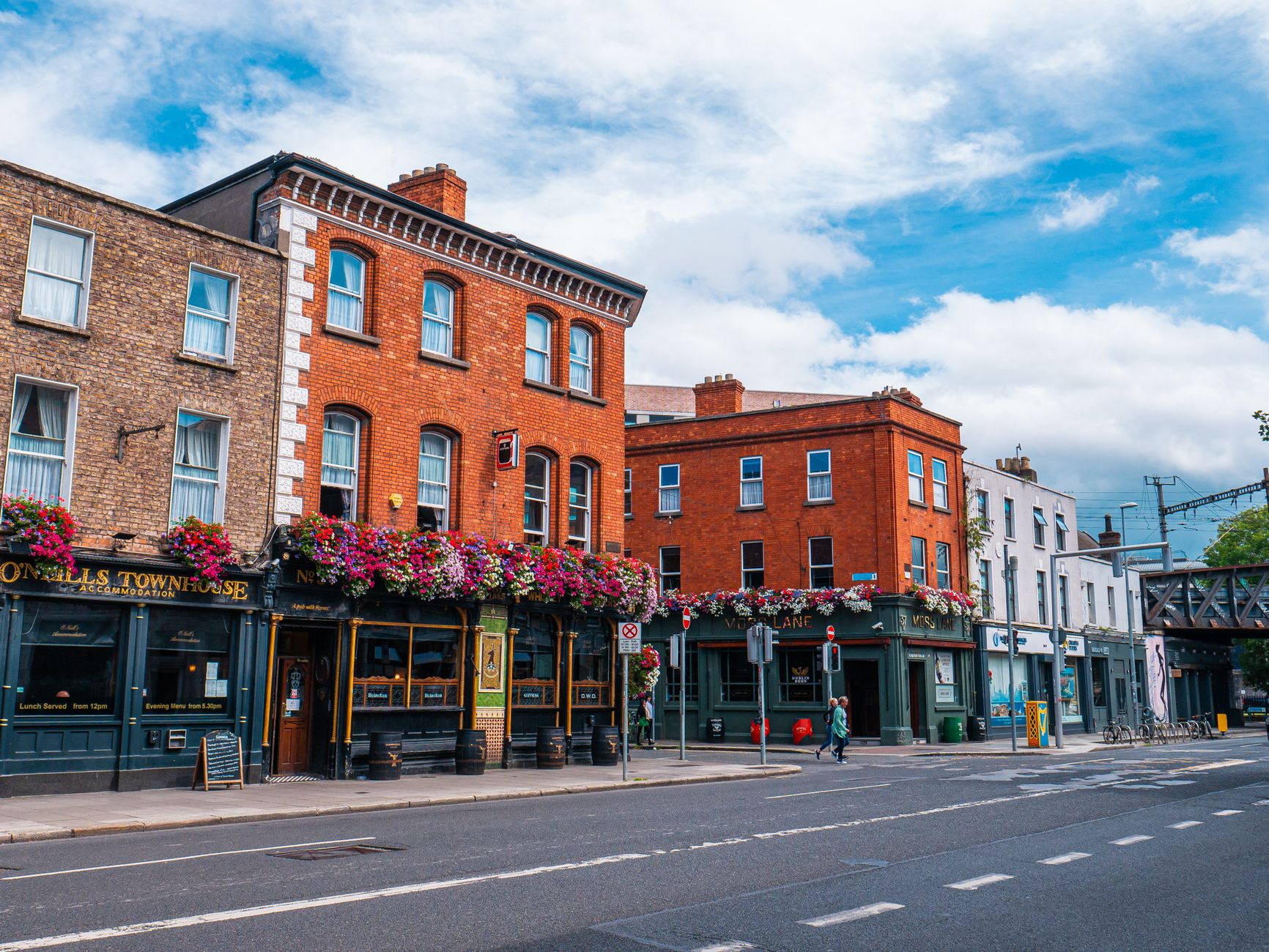
The Verdict
Why Go
Go for an intense concentration of national cultural treasures, monumental libraries and legendary drinking establishments. You can explore thousand-year-old crypts, walk through deer-filled urban parklands, inspect early illuminated manuscripts and finish the day listening to live fiddles inside historic taprooms.
Understand the Region
The county is tightly framed by Dublin Bay to the east and the Dublin Mountains to the south, with the River Liffey dividing the urban core into distinct north and south halves. It is predominantly urban and suburban, yet coastal headlands and large public green spaces ensure the outdoors is always accessible. The urban centre is highly walkable, while electric commuter trains run along the coast from Howth in the north to the southern seaside suburbs. The atmosphere shifts rapidly from fast-paced commercial thoroughfares to tranquil Georgian squares and breezy maritime promenades.
What's Worth Doing
Prioritise Trinity College Library and Book of Kells to view the exquisite ninth-century manuscript. Walk through Dublin Castle to explore the state apartments and ancient fortress foundations, then visit the Chester Beatty Library for excellent global manuscripts. Step into St. Patrick's Cathedral, the national cathedral of the Church of Ireland, and St. Michan's Church to inspect its historic mummified remains in subterranean vaults. Pay tribute to national figures at Glasnevin Cemetery and The Gravediggers, stopping next door for a classic pint. For maritime history, explore the Jeanie Johnston Famine Ship along the quays, or delve into the Guinness Storehouse for industrial brewing heritage. Escape the noise in St. Stephen's Green, Iveagh Gardens, or Phoenix Park. For fresh sea air, complete the Howth Cliff Path, walk the wooden causeway to Bull Island and Dollymount Strand, or walk out to Poolbeg Lighthouse. Spend evenings enjoying traditional music at The Cobblestone, stepping into The Brazen Head, or taking in ridge views from The Blue Light. Golfers should book a round at Portmarnock Golf Club.
Where to Base
Dublin city centre is the most practical base for a short break, placing major cultural sights, cathedrals and entertainment within walking distance. Staying south of the Liffey near St. Stephen's Green suits those looking for fine dining and classic Georgian streets. North of the river provides easy access to transit hubs and cultural spots like The Cobblestone. Coastal areas like Howth suit travellers seeking maritime air, though they require a thirty-minute rail commute to reach central sights.
Food & Pubs
Dining is varied, ranging from casual contemporary restaurants to high-end dining rooms. The pub scene is legendary: enjoy an unhurried pint at The Brazen Head, experience traditional folk sessions at The Cobblestone in Smithfield, or travel into the foothills for hillside views from The Blue Light. Counter lunches, local seafood and classic pub fare dominate daily eating.
History
Founded as a Viking trading settlement along the Poddle and Liffey, the town grew into a medieval Anglo-Norman capital. Dublin Castle stood as the centre of British administration until 1922, while St. Patrick's Cathedral and Trinity College, founded in 1592, represent centuries of complex religious, political and intellectual life.
Outdoors
The Howth Cliff Path delivers breezy coastal walking along rugged headlands overlooking Dublin Bay. The walk out across the sea wall to Poolbeg Lighthouse gives a panoramic maritime view of the port. Phoenix Park provides vast, level parkland trails where wild fallow deer graze among open pastures.
Getting Around
The city centre is compact and easily traversed on foot, backed by the Luas light rail and extensive bus networks. The DART coastal train links central stations with Howth and seaside towns. Avoid driving in the city centre due to severe congestion and expensive parking; a car is entirely unneeded unless travelling out into neighbouring counties.
Things to Do in County Dublin
Named sights and experiences, with our honest verdict on each.
Museum
Chester Beatty Library
Alfred Chester Beatty's manuscript collection, from Qur'ans to Japanese prints, in a tower behind Dublin Castle; the best small museum in the city.
2 hours
Castle
Dublin Castle
The historic heart of the city, offering a deep dive into Ireland's complex political past.
2 hours
Attraction
Glasnevin Cemetery and The Gravediggers
A profound historical experience paired with one of Dublin's most authentic, traditional pub encounters.
3 hours
Museum
Trinity College Library and Book of Kells
An essential pilgrimage for history lovers and bibliophiles visiting the capital.
1.5 hours
Beach
Bull Island and Dollymount Strand
A UNESCO biosphere of dunes and mudflats behind a nineteenth-century sea wall, twenty minutes from the city centre by bus.
2 hours
Attraction
Guinness Storehouse
The Guinness Storehouse is Dublin's most popular paid attraction — polished, self-guided, and not a working brewery.
2 hours
Hike
Howth Cliff Path
Popular, accessible cliff walk near Dublin; very exposed to wind.
2 hours
Attraction
Iveagh Gardens
A tranquil, hidden Victorian oasis that offers a perfect escape from the city's bustle.
1 hour
Pair It With
Elsewhere in Leinster
The province's other counties, each with its own guide.
Trips that include County Dublin
Ready-made routes that already work this place into a day.
- The First Trip, Done Right · 6 days
- Ireland's Ancient East · 5 days
Browse this kind of place
Before you go
- Driving in IrelandDriving in Ireland is straightforward once you respect narrow rural road geometry and commit to driving on the left. Stay alert to changing speed units, negotiate single-track passes patiently, and never drive impaired or exhausted.
- Opening Times, Season and ClosuresIreland runs on two strict timetables: the summer high season and the winter lull. Misjudging daylight, last-entry rules, and rural kitchen closures will reliably derail an itinerary unless you plan around them.
Places in County Dublin
Portmarnock Golf Club
The great Dublin links: flat, fast, brutally fair, and twenty minutes from the airport.
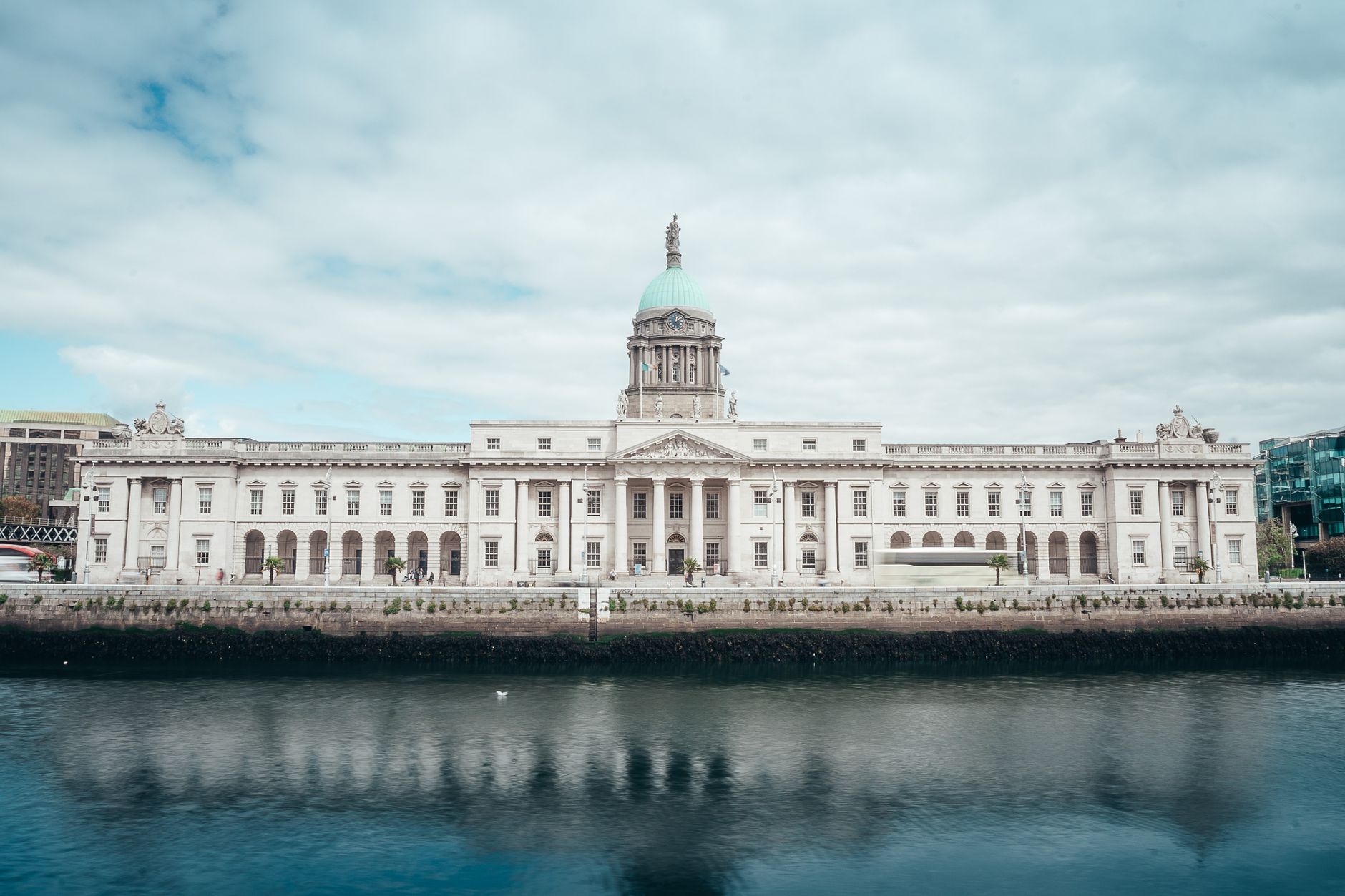
Dublin
Dublin deserves two or three nights — not as a gateway to rush through, but as a city worth understanding on its own terms.
Build Your Trip
Turn County Dublin into an itinerary
Ireland Field Guide helps you decide where to go. Travel Itinerary Co assembles the day-by-day plan.