Dublin
Baile Átha Cliath
Ireland's capital and the arrival point for most visitors. A walkable city of literature, Georgian architecture, serious pubs and complicated history — smaller than its reputation, but not thin.
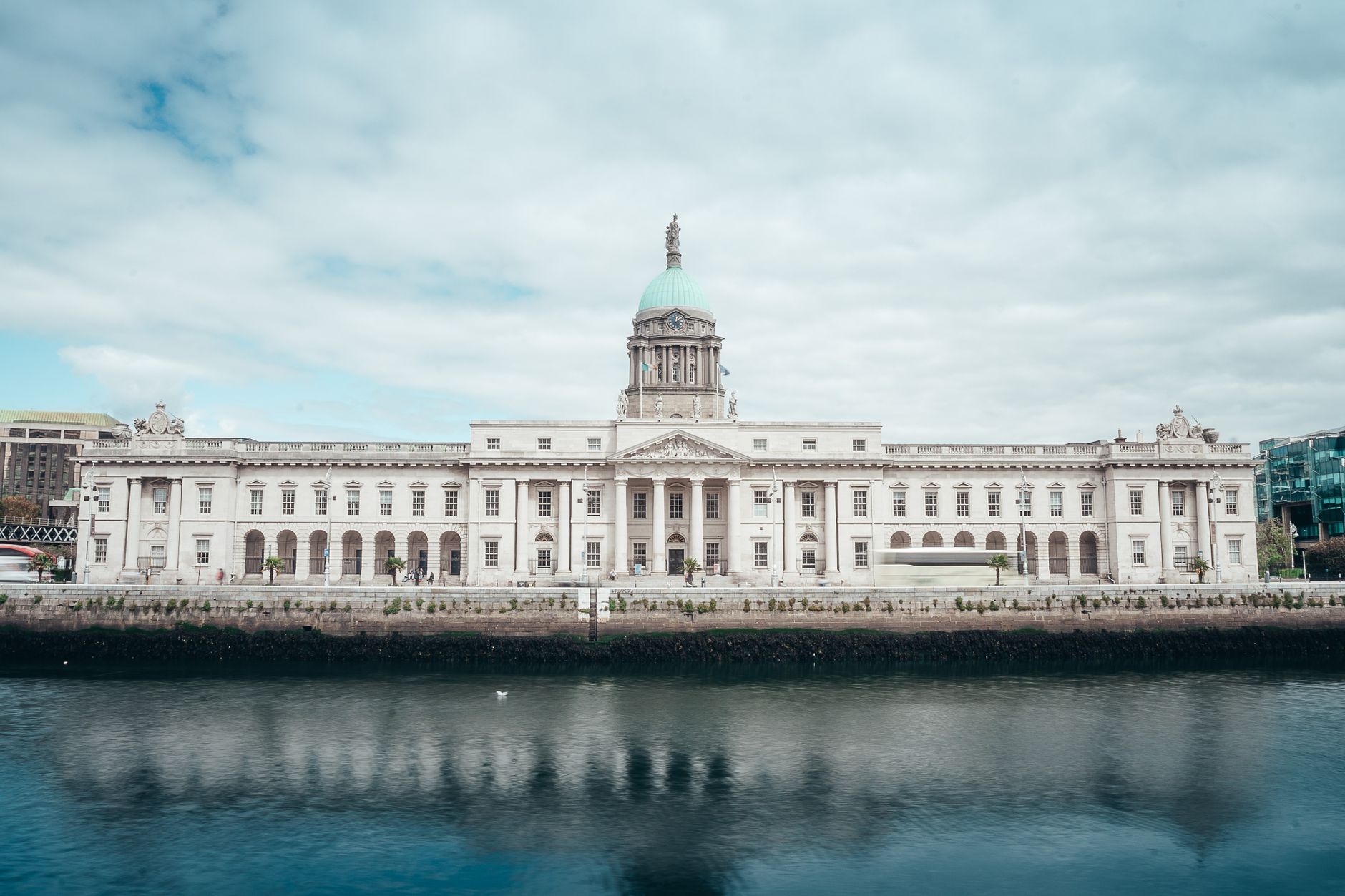
Photo: Artem Kulinych / Pexels
The Verdict
Why Go
Dublin is where most Ireland trips begin, and the temptation is to treat it as a transit hub. That's a mistake. Two or three nights let you read the city rather than tick it. The Georgian squares, the bookshops, the literary history, the working pubs and the complicated 20th-century history are all within a compact, walkable centre.
At a Glance
Understand the Place
Dublin is small for a European capital. You can cross the centre on foot in half an hour. That compactness is the point: it rewards walking, not driving. Pick up the rental car only when you're leaving — a car in Dublin is a liability, not a help.
What's Actually Worth Doing
Walk the south side from Trinity College to St Stephen's Green. See the Book of Kells at Trinity if the queue suits you. The Chester Beatty Library and the National Museum are free and excellent. Kilmainham Gaol is the single best historical site in the city — book ahead. The Guinness Storehouse is popular and polished; do it once if it appeals, but it's not the heart of Dublin.
Where to Stay
Stay south of the Liffey — around St Stephen's Green, Georgian Dublin, or Portobello — to be walkable to everything. Temple Bar is loud and best visited for an evening, not slept in.
Food & Pubs
Skip the Temple Bar pub circuit. The real pub city is quieter: try the Stag's Head, the Long Hall, or Toner's. For food, the market at Meeting House Square and the restaurants along Drury Street show the contemporary side of the city.
Music
The Cobblestone in Smithfield is the city's most respected traditional music pub. Sessions are real, not staged for tourists.
History
Dublin's history is layered — Viking, Norman, Georgian, and the revolutionary period that created the modern state. Kilmainham Gaol and the GPO Museum on O'Connell Street tell the 1916 and independence story better than any book introduction.
Outdoors
Dublin's outdoor appeal splits between its manicured city squares and the rugged coastline accessible by the DART commuter train. In the center, skip the crowded paths of St Stephen's Green for the quieter Iveagh Gardens or Merrion Square, where Georgian townhouses frame the lawns. For serious scale, Phoenix Park offers 1,750 acres of roaming fallow deer and woodland trails just west of the city. If the weather holds, take the train out to Howth or the Dublin Coastal Trail for cliff walks and sweeping views of the Irish Sea.
Day Trips
Glendalough and the Wicklow Mountains are the classic Dublin day trip and worth it. Brú na Bóinne (Newgrange) and the Boyne Valley for prehistory. Kilkenny is reachable by train for a longer day trip.
Getting There
Dublin Airport is the main gateway, with direct bus and Airlink to the centre. Irish Rail serves Connolly and Heuston stations.
Getting Around
Walk. The Luas trams cover longer stretches. Don't drive in the centre. Pick up a rental car only on the day you leave the city.
If You Have One Day
A Good Day in Dublin
Morning
Be at Trinity College for opening time, then walk to Dublin Castle and St Patrick's Cathedral.
Afternoon
Visit the Jeanie Johnston Famine Ship or walk Phoenix Park, depending on the weather.
Evening
Dinner away from Temple Bar, then a pub with music. The Brazen Head is the old-world choice.
If It Rains
Trinity's Old Library, Dublin Castle and St Patrick's Cathedral are all indoor and fill a wet day easily. Save Howth and Phoenix Park for clearer weather.
Local Knowledge
Local Tips for Dublin
- 1
Book the Book of Kells and Trinity College Library ahead online, and go at opening time. Midday queues can be long and timed entry is the norm.
- 2
Dublin is walkable between Trinity, Dublin Castle, St Patrick's Cathedral and Temple Bar. Use the Luas and DART only for longer hops.
- 3
Temple Bar is a tourist hub with high prices. For pubs with a local crowd, walk a few streets south or north and try The Brazen Head for history rather than novelty.
- 4
Phoenix Park is huge and free. Hire a bike if you want to see more than the entrance end.
- 5
Howth is the easiest coastal escape. Take the DART from the centre and walk the Howth Cliff Path.
On the Ground
Practical Notes
- Getting around
- Walk the centre. DART for the coast, Luas for cross-city hops.
- Driving
- Avoid it in the city. Parking is expensive and the centre is congested.
- Booking ahead
- Trinity College Library and the Famine Ship in high season.
- Best time of day
- Early for Trinity. Evening for pubs.
Booking Dublin
- Places to stay in DublinCompare hotel, guesthouse and B&B rates
- Tours and tickets in DublinGuided tours, entry tickets and day trips
- Car hire in IrelandCompare rental rates, with airport and town pick-up
Partner links: if you book through them we may earn a commission, and it has no bearing on our verdicts.
Things to Do in Dublin
Named sights and experiences, with our honest verdict on each.
Museum
Chester Beatty Library
Alfred Chester Beatty's manuscript collection, from Qur'ans to Japanese prints, in a tower behind Dublin Castle; the best small museum in the city.
2 hours
Castle
Dublin Castle
The historic heart of the city, offering a deep dive into Ireland's complex political past.
2 hours
Attraction
Glasnevin Cemetery and The Gravediggers
A profound historical experience paired with one of Dublin's most authentic, traditional pub encounters.
3 hours
Museum
Trinity College Library and Book of Kells
An essential pilgrimage for history lovers and bibliophiles visiting the capital.
1.5 hours
Beach
Bull Island and Dollymount Strand
A UNESCO biosphere of dunes and mudflats behind a nineteenth-century sea wall, twenty minutes from the city centre by bus.
2 hours
Attraction
Guinness Storehouse
The Guinness Storehouse is Dublin's most popular paid attraction — polished, self-guided, and not a working brewery.
2 hours
Attraction
Iveagh Gardens
A tranquil, hidden Victorian oasis that offers a perfect escape from the city's bustle.
1 hour
Museum
Jeanie Johnston Famine Ship
A moving and educational experience that brings the history of the Great Famine to life.
1 hour
Nearby & Day Trips
Outside Dublin, but worth considering from this base. Check each guide for access and travel details.
Monastic Site
Glendalough
Glendalough is the best monastic site within reach of Dublin — a round tower and ruins in a glacial valley.
Half a day
Ancient Site
Hill of Tara
The spiritual and political heart of ancient Ireland, offering profound historical resonance and sweeping views.
1-2 hours
Ancient Site
Newgrange
Newgrange is a 5,000-year-old passage tomb — older than the pyramids, and the best prehistoric site in Ireland.
2 hours (including visitor centre)
Estate
Powerscourt Estate & Gardens
Ireland's most accomplished landscaped gardens, with the estate waterfall as a second stop.
3 hours
Ancient Site
St. Laurence's Gate
A remarkably preserved medieval gateway that stands as one of the finest examples of its kind in Europe.
30 minutes
Castle
Trim Castle
This is the definitive Anglo-Norman fortress in Ireland and an absolute must for anyone interested in medieval military architecture.
1.5 hours
Monastic Site
Bective Abbey
A hauntingly beautiful Cistercian ruin that offers a peaceful, atmospheric escape from the busier tourist sites.
45 minutes
Attraction
County Louth Golf Club
A links at Baltray on the north bank of the Boyne, laid out by Tom Simpson in 1938; a proper championship test without a resort attached.
4-5 hours
Pair It With
Nearby
Compare
Appears In
Trips that include Dublin
Ready-made routes that already work this place into a day.
- The First Trip, Done Right · 6 days
- The South-West, Deep · 7 days
- Ireland's Ancient East · 5 days
- The Quiet Midlands · 4 days
Browse this kind of place
Before you go
- Do You Need a Rental Car?You do not need a rental car for Irish city itineraries or travel along the radial rail lines. You do need one the moment your plans depend on rural peninsulas, national parks, and remote western coastlines.
- Money and TippingIreland runs on two distinct currencies across an invisible border, but modern card acceptance covers nearly every routine transaction. Carry minimal cash, decline terminal currency conversion, and tip for seated table service rather than counter drinks.
Build Your Trip
Turn Dublin into an itinerary
Ireland Field Guide helps you decide where to go. Travel Itinerary Co assembles the day-by-day plan.