Driving & Getting Around
Getting Around Without a Car
A car-free Irish trip works well on four corridors and badly everywhere else. This is the operational detail: which towns sit on a train line, how rural buses actually run, what the Leap card covers, and where the Greenways start.
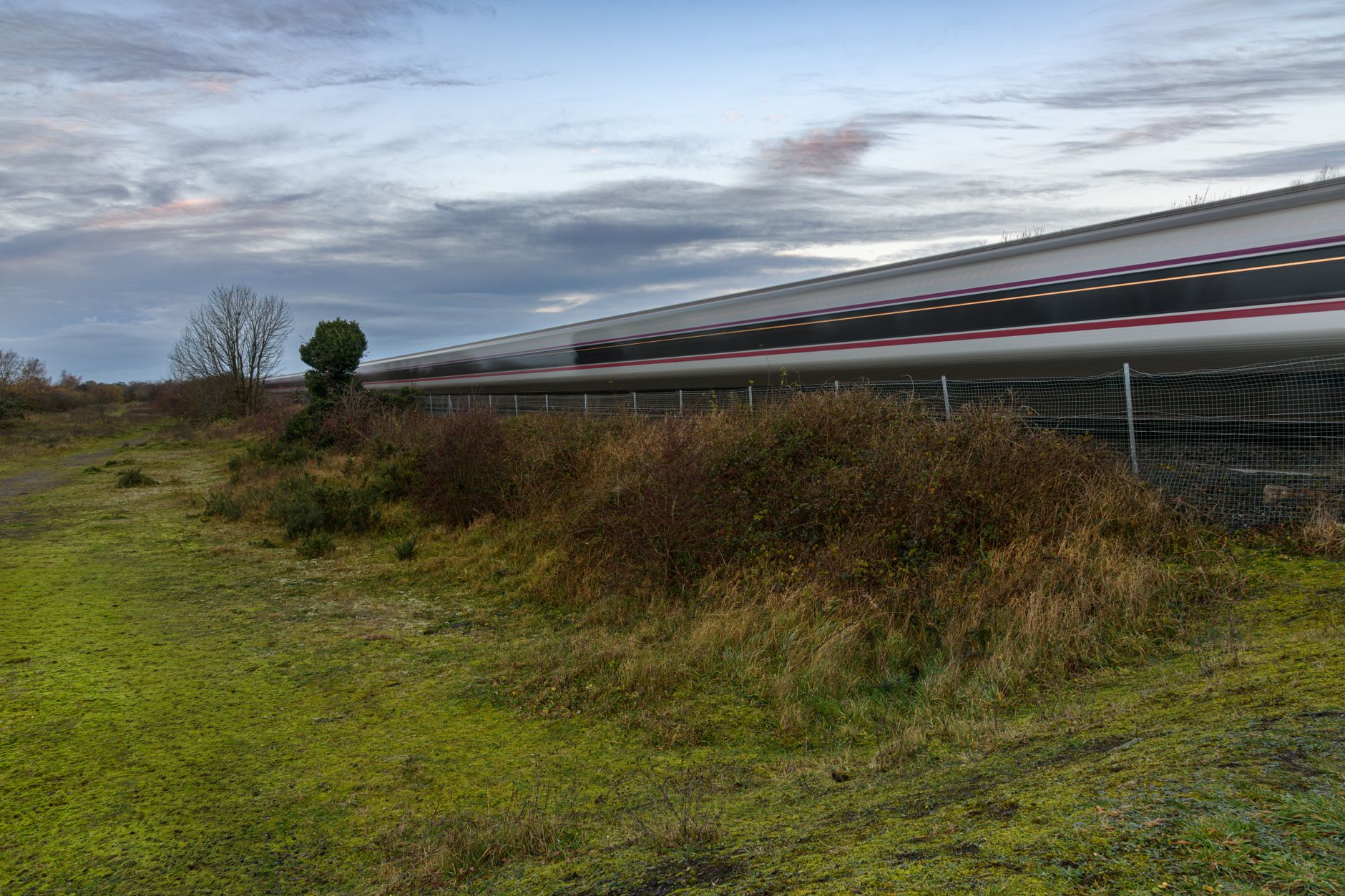
The honest map of what works car-free
Ireland's transport network is radial: everything runs to and from Dublin. Move between major cities and it is easy. Move around a coastline and it is slow, infrequent, or simply not there.
Car-free trips that genuinely work:
- Dublin and the east, with the DART along the bay and trains to Kilkenny, Carlow and Wexford.
- Belfast and the north coast, with the rail line to Coleraine and Portrush and buses to the Giant's Causeway.
- Cork city, with commuter trains to Cobh and Midleton and buses to Kinsale and west Cork's larger towns.
- Galway city, with the Aran Islands ferry connection, buses to Doolin and the Cliffs, and trains to Limerick and Dublin.
Car-free trips that quietly fail: the interior of Connemara, the west Cork peninsulas, Slea Head on the Dingle Peninsula, almost all of Donegal, and the Burren beyond the main road. In those places you are buying tours and taxis, not transport.
For the decision itself, read Do You Need a Rental Car?. For the touring side, see the collection Ireland Without a Rental Car.
Trains, line by line
Every station listed below is in the middle of its town, which is the main advantage rail has over buses in Ireland.
- Dublin to Belfast (Enterprise): about 2 hours 5 minutes, roughly every two hours. Book ahead for the cheap online fares; the walk-up fare is steep. No border check, no stop at the border, no announcement that you have crossed.
- Dublin to Cork: about 2 hours 30 minutes, roughly hourly. Useful stops at Limerick Junction and Mallow, which is where you change for Kerry.
- Dublin to Galway: about 2 hours 20 minutes, several a day, arriving at Ceannt Station on Eyre Square.
- Dublin to Waterford, about 2 hours 10 minutes, with Athy, Carlow and Kilkenny on the way. Kilkenny is the single best car-free day out from Dublin.
- Dublin to Sligo, about 3 hours, through Maynooth, Mullingar, Longford, Carrick-on-Shannon and Boyle.
- Dublin to Westport and Ballina, about 3 hours 15 minutes, through Castlebar.
- Dublin to Killarney and Tralee, roughly 3 hours 30 minutes to 4 hours, changing at Mallow on some services. Killarney is the best rail-served base in the south-west, and the bus network from it reaches Dingle, Kenmare and the Ring of Kerry.
- Limerick to Galway via Ennis, about 2 hours, useful for linking the mid-west without going back through Dublin.
- Cork commuter lines: Cobh in about 25 minutes, Midleton in about 25 minutes. Both are worth a half day.
- Dublin DART: Howth, Malahide, Portmarnock, Clontarf, Dún Laoghaire, Dalkey, Killiney, Bray and Greystones. This is a full day of coast for the price of a city fare.
- Northern Ireland: Belfast to Derry in about 2 hours 10 minutes; Belfast to Coleraine and Portrush for the Causeway Coast; Portadown and Bangor on commuter services.
What rail will not do: run around the west coast. Galway to Cork means going inland to Limerick Junction. Galway to Sligo or Westport is not possible by rail at all. Donegal, Cavan and Monaghan have no passenger trains whatsoever.
Buses: what the timetable really means
Buses fill every gap the trains leave, in four distinct layers.
- Expressway and private coaches (Citylink, GoBus, Aircoach) run long-distance and airport routes. Fast, bookable online, comfortable.
- Bus Éireann regional routes connect market towns and secondary stops. Comprehensive but slow: a 50km run can take two hours because the bus stops at every crossroads.
- TFI Local Link is the rural network, small buses linking villages to towns a few times a day. Some routes must be booked a day ahead by phone or online, and they will not wait.
- Private operators such as Bus Feda on the Donegal to Galway run and McGinley coaches cover corridors the state network handles poorly.
The operational reality: rural buses stop on the road, not at the attraction. A viewpoint five kilometres from the stop is five kilometres of walking. Sunday and public holiday timetables are a fraction of the weekday service, sometimes zero. Check the last return bus before you commit to the outward one — this is the single mistake that strands car-free travellers in Ireland, and there are no ride-hailing apps to rescue you in the countryside.
Paying: the Leap card and contactless
The TFI Leap Card costs €5 as a deposit, bought and topped up in shops and at station machines. It takes roughly 20 to 30 per cent off cash fares, and it caps your daily and weekly spend automatically.
- It works on Dublin Bus, Go-Ahead Ireland, the Luas, DART and commuter rail, city buses in Cork, Galway, Limerick and Waterford, and many regional Bus Éireann services.
- It does not work on Expressway, most private coaches, or anywhere in Northern Ireland.
- Contactless bank cards and phones are accepted on Dublin Bus, the Luas, DART and city buses, usually at the same 90-minute fare as a Leap card. This is now the simplest option for a short visit.
- Dublin Bus no longer takes cash. You need a Leap card or a contactless card or phone. Elsewhere in the country, cash is still taken on most city and regional buses, exact fare preferred.
- Northern Ireland runs its own system through Translink: buy on board, or use the mLink app. No Leap card, no crossover.
Taxis and ride-hailing
Free Now is the dominant app across the island and is what locals use. Uber is effectively a Dublin operation, and even there it books licensed taxis rather than private cars; outside Dublin, assume there is no ride-hailing at all.
- Meters start around €4 to €5, with night, weekend and airport supplements on top.
- Card machines are normal in cities; in rural areas, ask before you get in.
- Rural taxis need pre-booking and an agreed return time. A driver will take you to a trailhead twenty minutes out and may not be free to collect you; fix the return before you leave town, and take the driver's number.
- Belfast has its own firms and the black-taxi tours of the Falls and Shankill, which are worth the fare on their own.
Greenways and bike hire
Ireland has built a genuine network of off-road cycling routes on old railway lines and canal banks. They are flat, signposted and hired by the day at the trailheads.
- Great Western Greenway, Westport to Achill, about 42km, the original and the best known. Hire in Westport, Newport, Mulranny or Achill; €20 to €30 a day, more for an e-bike.
- Waterford Greenway, Waterford to Dungarvan, about 46km, with viaducts and a tunnel. Hire at both ends and ride one way.
- Limerick Greenway, about 40km from Rathkeale towards Abbeyfeale, quiet and newly surfaced.
- Royal Canal and Grand Canal greenways run across the midlands, with the Royal Canal route from Maynooth towards Longford being the longest continuous stretch.
Practical notes: bikes are not carried on Dublin Bus, Bus Éireann regional services or coaches. They are carried free on trains but spaces are limited to a handful per carriage and cannot be reserved, so avoid peak commuter services. Helmets are not compulsory but lights are required after dark. Locks matter in towns. And the wind is real: plan a shorter day than you would at home, because an Irish greenway with a headwind both ways is a longer ride than the map suggests.
Ferries and island hops on foot
Foot passengers are the easy way onto the islands, and the ferries are also where the weather has a vote.
- Aran Islands: year-round ferry from Rossaveel, with a connecting bus from Galway city; seasonal ferries from Doolin. Bikes can be hired on Inis Mór at the pier.
- Great Blasket: ferry from Dunquin, Easter to October, weather dependent, with a landing on the island rather than a cruise past it.
- Sherkin and Cape Clear: from Baltimore in west Cork, short crossings, year-round with reduced winter sailings.
- Bere Island: from Castletownbere and from Pontoon.
- Rathlin: from Ballycastle, about 15 minutes, year-round, with a bus on the island.
- Arranmore from Burtonport, and Tory from Magheraroarty in season.
Wind and swell cancel sailings, not rain. Between October and April, build a spare day into any island plan.
Airport transfers
- Dublin: Aircoach and Dublin Express run 24 hours to the city centre in 30 to 50 minutes for under €10; a taxi is €25 to €35. City buses 16 and 41 are slower and cheaper. There is no train to the airport.
- Shannon: buses to Limerick, Ennis and Galway; the advantage of Shannon is that you can be in Clare within half an hour.
- Cork: bus 226 to the city centre, about 25 minutes.
- Belfast International: Ulsterbus 300 to Europa Buscentre, about 45 minutes. Belfast City: bus 600 to the centre.
Four car-free shapes that work
- Four days, Dublin: two days in the city, a DART day to Howth and Bray, and a train day to Kilkenny.
- Five days, Belfast and the north: three nights in Belfast with a coach day on the Causeway Coast, then the train to Derry for two nights.
- Three days, Galway: the city on foot, the ferry to Inis Mór, and a bus day to Doolin and the Cliffs of Moher.
- Four days, Cork: the city, the train to Cobh, a bus to Kinsale, and a day in Midleton.
What to book ahead
Enterprise seats in summer, Local Link seats on routes that require booking, Greenway bikes in July and August, island ferries in high season, and any rural taxi return. Everything else can be bought on the day.
Photo: Photo: Irek Marcinkowski / Pexels
Car hire and flights
- Car hire in IrelandCompare rental rates, with airport and town pick-up
- Flights to IrelandCompare fares into Dublin, Shannon, Cork and Belfast
Partner links: if you book through them we may earn a commission, and it has no bearing on our verdicts.
Put this to use
More in Driving & Getting Around
Build Your Trip
Turn Getting Around Without a Car into an itinerary
Ireland Field Guide helps you decide where to go. Travel Itinerary Co assembles the day-by-day plan.